
To my eyes, treating crypto staking like a traditional high-yield savings account is one of the most dangerous category errors an investor can make. It isn’t passive income; it’s compensation for locking up capital, absorbing smart contract risk, and securing a decentralized network. Yet, because the mechanics loosely mimic a dividend or interest payment, it has pulled in both small-scale retail investors and quantitative funds looking to squeeze every basis point of capital efficiency out of their alternative sleeves.
Staking is an exchange of liquidity for protocol emissions.
I used to think staking was simply a bonus layer on top of a buy-and-hold strategy. In reality, if you hold a proof-of-stake asset and fail to stake it, you are actively being diluted by the network’s inflation schedule. You have to participate just to tread water. It’s a different animal when you actually experience the friction of unbonding periods during a market crash. The protocol doesn’t care about your fiat portfolio drawdowns. It only cares about mathematical network security.

Shift From PoW to PoS
A fundamental shift occurred in portfolio architecture when the market realized capital could replace physical hardware. Proof-of-Work forces you to invest in expensive mining rigs and bleed cash for ongoing electricity costs. It’s a massive CapEx drag. Proof-of-Stake replaces that physical infrastructure with an economic bond. You lock your tokens as collateral to validate the chain. But here is the critical mechanical difference: that efficiency introduces the concept of slashing. If your validator node misbehaves or goes offline, the protocol literally confiscates a portion of your staked money. The risk moves from hardware depreciation to direct, programmatic capital destruction.
The math demands flawless execution.
In this breakdown, I’m analyzing the actual plumbing of crypto staking, the real-return realities beneath the quoted APYs, and the structural dangers of illiquidity. We’ll look at the exact mechanics of delegating coins, evaluating validator performance, and running the math on compounding rewards against the friction of tax drag. By the end, you’ll see exactly how staking fits—or doesn’t fit—into an expanded canvas approach to asset allocation.
Why Staking Matters
- Real Yield vs. Nominal Dilution: Those lucrative double-digit APYs are often just highly inflationary token emissions. If a network like Polkadot pays you historically around 15% to stake, but the total supply inflates by nearly 10%, your real yield is mathematically constrained to roughly 5%. You are simply maintaining your percentage ownership of the network against the tide of new token creation.
- Architectural Security: By locking tokens in a smart contract, you provide the economic weight required to finalize transactions and defend against 51% attacks. Your capital is the firewall.
- The Centralization Paradox: While staking removes the environmental overhead of mining, it heavily rewards incumbent whales. Capital compounds. Large holders inevitably dominate governance voting simply because they can afford to stake massive tranches of tokens without needing near-term liquidity. We’ve seen periods where just a handful of liquid staking providers controlled a terrifying percentage of all staked Ethereum.
- The Post-Merge Standard: Ethereum’s transition completely re-rated the asset class. With heavyweights like Solana, Cardano, and Polkadot operating on PoS, the baseline expectation for holding a layer-one asset is now tied to its staking yield minus its inflation rate. Holding a non-staked PoS asset is equivalent to holding cash under a mattress during an inflationary spike.
I remember the distinct psychological discomfort of watching a staked alternative asset drop 40% in a month, knowing I couldn’t hit the sell button because of a mandatory 21-day unbonding lockup. That is the true cost of staking. You are selling your liquidity to the protocol. If the market turns violently against you, high APYs cannot mathematically offset the brutal reality of capital destruction. Furthermore, you face the tracking error pain when your alternative sleeve bleeds against a simple S&P 500 index fund for two years straight while your capital is locked in a validator node.
Yield is a measure of risk you haven’t realized yet.
Executing a staking strategy requires you to read the protocol’s documentation, not its marketing site. You have to understand the specific slashing conditions, the exact unstaking queue delays, and the bid-ask spread reality if you are forced to use a secondary liquid staking token to exit a position. Let’s look at the actual engine.
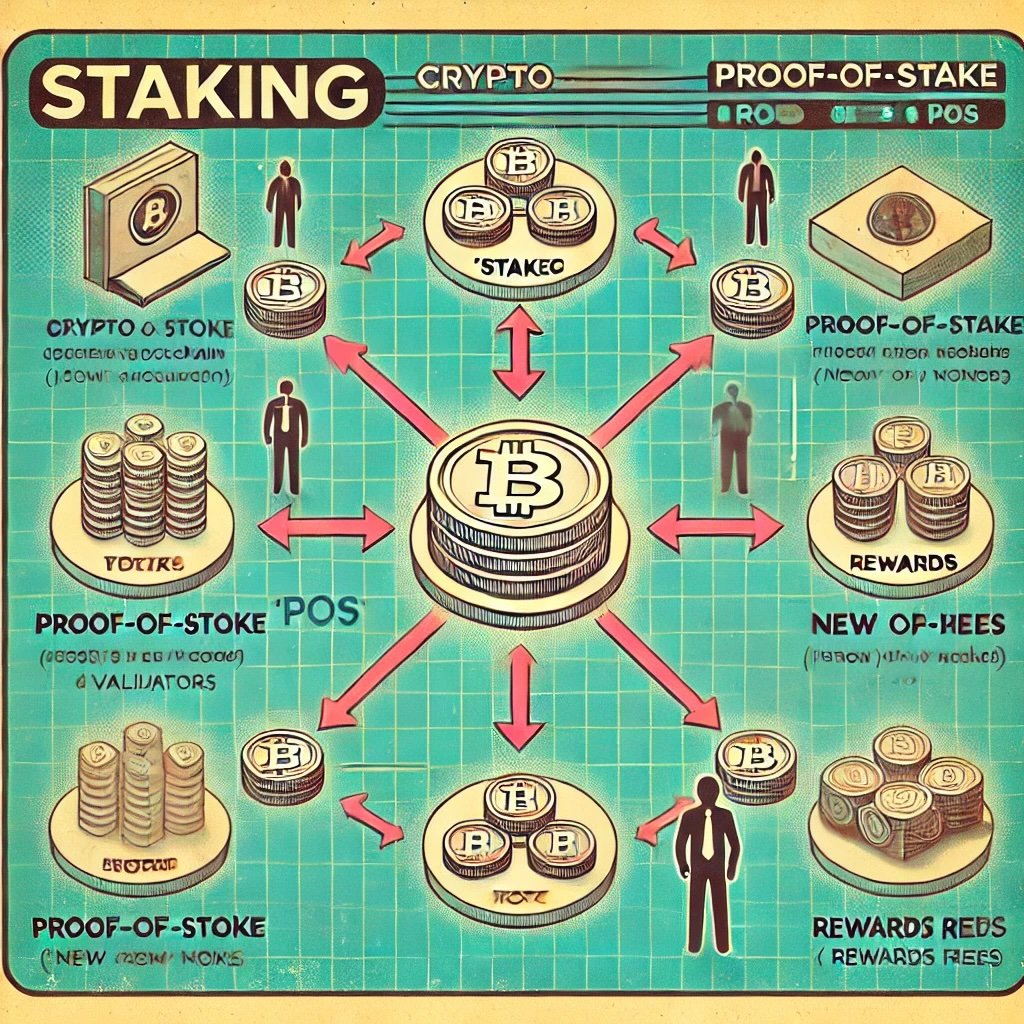
What Is Crypto Staking and How Does It Work?
Staking is the execution of posting economic collateral to ensure the integrity of a decentralized ledger. You commit your digital tokens to a Proof-of-Stake (PoS) network, and the protocol algorithmically compensates you with newly minted coins and base transaction fees. It looks like a bank CD, but the mechanics are entirely different. You aren’t lending money to a bank to loan out for mortgages; you are placing your capital as a bonded guarantee that the network’s transaction history is mathematically sound.
Your capital is the audit layer.
The Proof-of-Stake (PoS) Mechanism
If we look at older architecture like Bitcoin, the network relies on miners burning massive amounts of electricity to solve cryptographic hashes. That’s Proof-of-Work. It is highly secure but incredibly capital-inefficient from an operational standpoint. PoS removes the hardware entirely. The network randomly selects a validator to propose the next block of transactions, and that probability is weighted by the amount of capital they have locked up in the system.
- The Structural Differences:
- Opex vs Capex: PoW forces you to buy hardware that depreciates rapidly. PoS requires you to lock liquid capital that carries a severe opportunity cost.
- The Penalty Box: PoW punishes bad actors by wasting their electricity. PoS punishes bad actors by seizing and burning their locked collateral (slashing).
- Barrier to Entry: Anyone can technically stake a few tokens, making the yield accessible to smaller portfolios, though running the actual infrastructure still demands serious technical chops.
Staking Mechanics
The implementation gap between a clean backtest of a staking yield and the live experience of managing the nodes is massive. You generally have three execution paths:
- Delegating to a Validator:
- You keep your tokens in your hardware wallet but point your voting power to an institutional node operator.
- The validator does the heavy lifting of maintaining 99.9% server uptime and charges you a commission fee on your yield (usually 5% to 10%).
- If they go offline, your yield stops. You have to monitor their performance closely.
- Operating a Validator Node:
- You run the bare-metal servers, maintain the client software, and manage the firewall.
- You capture 100% of the yield and can charge others a commission to delegate to you.
- The behavioral reality: you will wake up in a cold sweat at 3 AM when your server monitoring alerts you to a node desync, knowing your capital is actively at risk of being slashed. For Ethereum, solo staking strictly requires multiples of 32 ETH, pricing out most casual DIY builders.
- Centralized Exchange Staking:
- You hand your assets to Coinbase or Kraken, click a button, and they handle everything.
- The trade-off is brutal: you entirely give up custody of your assets. If the exchange goes bankrupt or faces a severe regulatory crackdown (as Kraken experienced when settling with the SEC in 2023 over its staking-as-a-service program), your assets are trapped. Furthermore, exchanges often take a hidden 20% to 35% cut of the protocol yield before passing the remainder to you.
Execution defines your risk profile.
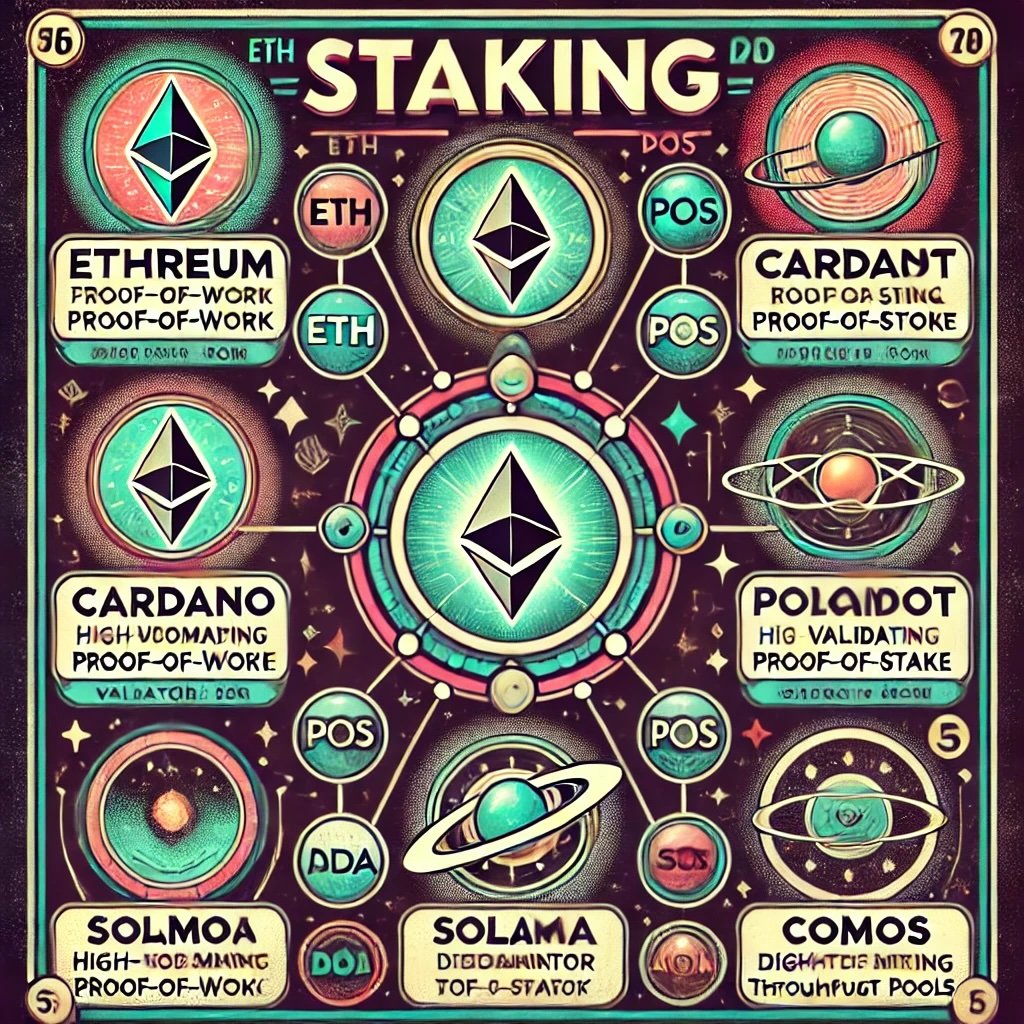
Popular Staking Coins
The architecture and monetary policy differ wildly across the major layer-one networks:
- Ethereum (ETH): The benchmark. Post-merge, ETH offers a baseline yield (historically floating between 3% and 5% net of inflation), but the real innovation is liquid staking derivatives (like Lido’s stETH), which allow you to earn yield while maintaining a tradable asset.
- Cardano (ADA): Uses the Ouroboros protocol. The mechanics here are natively non-custodial; you delegate from your wallet without hard lockups, making it highly liquid compared to peers. You don’t have to wait to sell if the market turns.
- Polkadot (DOT): High yield, but high friction. The unbonding period is historically 28 days. That is an eternity in crypto markets.
- Solana (SOL): Built for brutal throughput. Delegation is fast, but the network has a history of performance degradation under heavy load, requiring validators to physically coordinate restarts.
- Cosmos (ATOM): The hub model. The 21-day unbonding period here has trapped countless investors who wanted to sell during sudden market crashes, forcing them to watch their fiat value evaporate while waiting for a timer to tick down.
You can’t just chase the highest percentage. Older networks with established market caps offer lower nominal yields, but their inflation schedules are far more predictable. The base rate of return must be adjusted for the specific structural risks of the chain.
Why People Stake
- Yield Generation: Capturing the baseline protocol emission to lower the cost basis of the position over time.
- Long-Term Horizon Enforcement: I’ve noticed a fascinating behavioral quirk. Forcing yourself into a 21-day unbonding period actually prevents panic selling during standard 15% weekend market dips. The lockup acts as a mechanical restraint on emotional trading.
- Protocol Governance: Yielding voting power to influence network upgrades, parameter changes, and treasury spending.
The alignment of incentives is mathematically elegant, but the friction is real. The frustration of managing multiple wallets, tracking unstaking queues, and fighting protocol bugs is the hidden cost of those rewards.
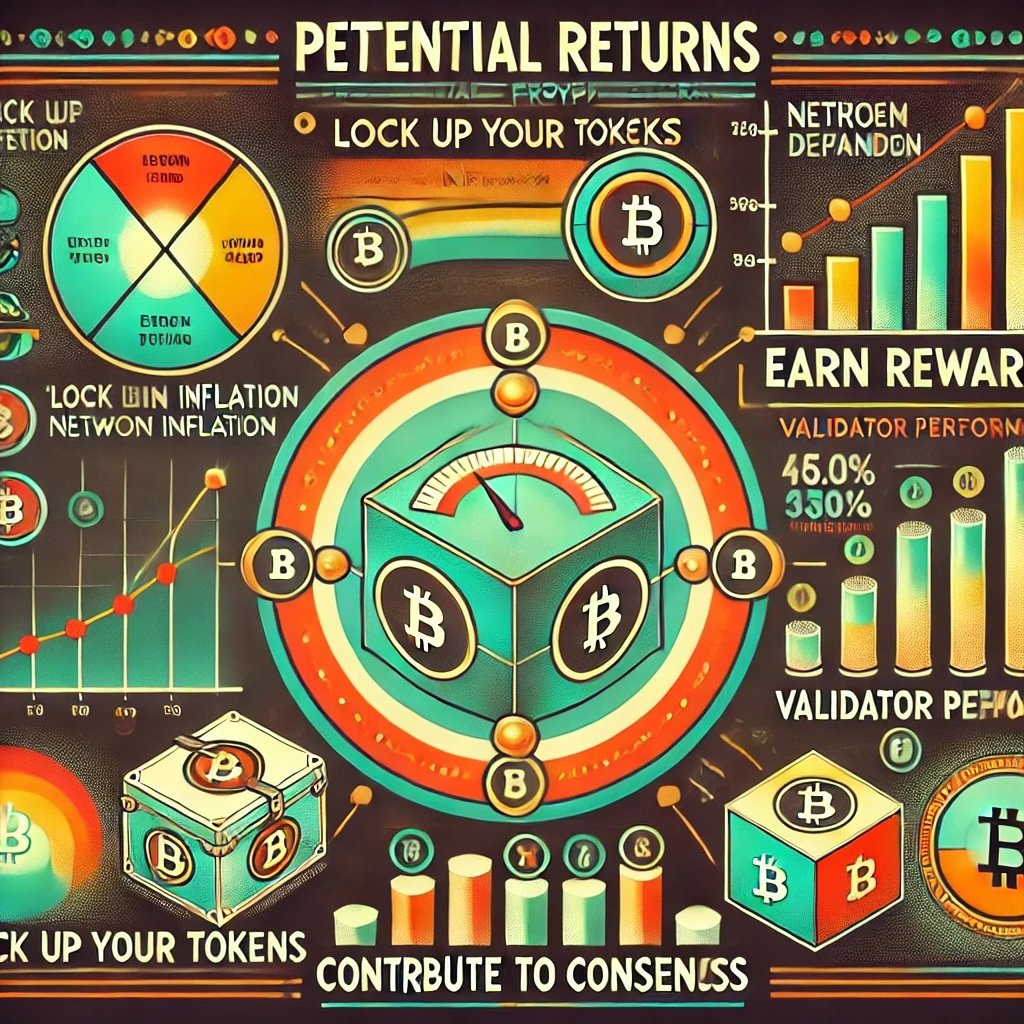
Potential Returns from Staking
To my eyes, the way the industry reports staking returns borders on deceptive. You cannot evaluate a staking APY in a vacuum. The actual financial outcome depends on the spread between the staking yield and the token’s programmatic inflation, the baseline demand for block space, and the gravitational pull of broader market trends. A 20% APY is utterly meaningless if the token’s circulating supply increases by 25% in the same year.
You have to calculate the real, inflation-adjusted yield.
Earning Rewards
- Annual Percentage Yields (APYs):
- Ethereum generally fluctuates depending on network congestion (MEV and tip fees). Smaller, highly inflationary alternative networks might aggressively advertise 20% to 30% to attract liquidity.
- If you see a yield north of 15%, you are almost certainly participating in a massive token emission schedule that will aggressively dilute your purchasing power if new buyers don’t step in.
- The Mechanics of Reward Rates:
- Network Participation: Yield is dynamic. The more total tokens staked in the protocol, the lower your individual APY. The math automatically tightens the payout as the network becomes more secure.
- Validator Commission: The headline rate is gross. Your net yield is the protocol rate minus the 5% to 10% tax your validator skims off the top for operating the hardware.
Compounding Returns
The math of compounding works beautifully on paper, but the implementation is a grind. You have to actively claim your rewards and push them back into the staking contract, paying a network transaction fee each time.
- The Mechanical Friction: If you stake 1,000 tokens at 10% APY, you don’t magically get 100 tokens added to your staked balance at year-end. You receive a trickle of micro-payments. If the network fees to restake those payments are too high, your compounding grinds to a halt. You have to mathematically optimize your restaking frequency against the gas fees to achieve that optimal APY.
Tax drag ruins the clean backtest.
Here is the deepest behavioral scar tissue for any US investor: tax friction. According to IRS Revenue Ruling 2023-14, in a non-registered, taxable account, you are hit with ordinary income tax on the fair market value of those rewards the exact moment you establish dominion and control over them (when they hit your wallet). If you receive a token when it’s priced at $100, you owe income tax on that $100. If the token subsequently crashes to $10 by the end of the year, you still owe the tax agency based on the $100 valuation, creating a devastating cash-flow mismatch that can wipe out a retail portfolio.
Impact of Token Price
The denominator dictates your reality. A 10% token yield is cold comfort if the underlying asset suffers a 70% drawdown.
- The Multiplier Effect: In an expansionary regime, compounding staking rewards acts like leverage. You are accumulating more units of an asset that is simultaneously appreciating against fiat.
- The Drawdown Reality: The psychological itch to abandon a strategy after a 40% drawdown is intense. When the token price bleeds out, your staked capital is trapped, generating a yield that equates to pennies on the dollar compared to your initial capital outlay.
Volatility and Reward Stability
Newer protocols use high staking yields purely as a customer acquisition cost. They bleed their treasury to lock up circulating supply and artificially suppress sell pressure. When those emissions dry up, the liquidity leaves instantly.
The math doesn’t lie. High yield equals high risk.
Token Governance Incentives
Some protocols attempt to layer rewards, issuing secondary governance tokens on top of the base layer yield. This introduces massive complexity and volatility into your tracking.
- You might be locking your primary asset, only to be paid out in a secondary token with zero secondary market liquidity. You are effectively providing exit liquidity for the protocol insiders while your core capital is trapped. It severely limits your ability to execute short-term arbitrage when market dislocations occur.
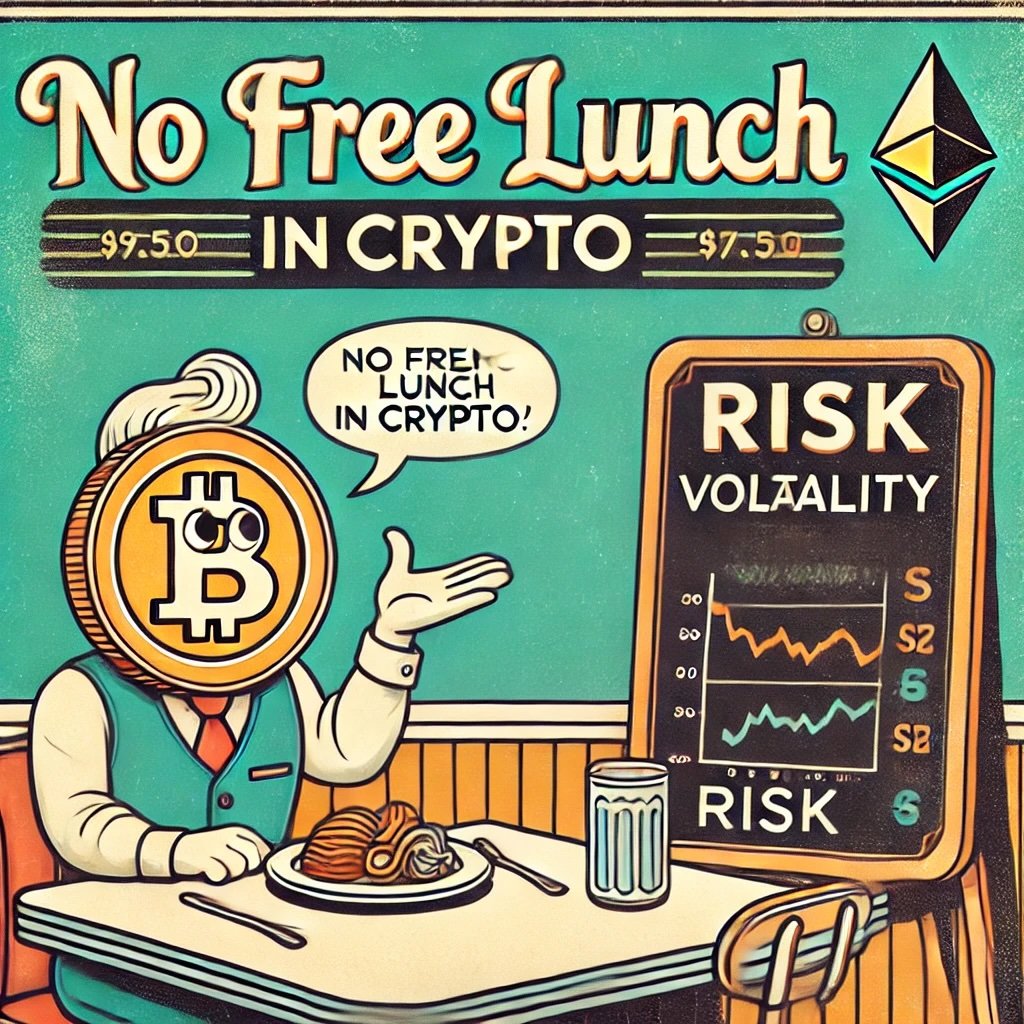
Risks Associated with Staking
Staking is frequently pitched as a safe, conservative yield play. Honestly, that’s nonsense. The structural hazards of tying up your liquidity in experimental software architecture are immense. Between the algorithmic threat of slashing and the brutal reality of unbonding queues, every basis point of yield is hard-earned. Let’s look at the mechanical failures you have to survive to actually realize those returns.
Yikes. The illiquidity premium is real.
Price Volatility
An APY of 8% is irrelevant when the asset prints a 40% red candle in 48 hours. Staking forces a long-duration mindset onto an inherently hyper-volatile asset class.
- If you are staking through a multi-year bear cycle, your portfolio’s fiat value will be decimated. You have to possess the behavioral discipline to ignore the fiat drawdown and focus purely on the token accumulation, a psychological feat that breaks most retail investors.
Lockup Periods and Liquidity
The unbonding period is the most dangerous mechanic in the ecosystem.
- The Unbonding Queue: When you click “unstake,” you don’t get your money back. You enter a protocol-mandated waiting room. On Cosmos, it’s 21 days. On Polkadot, 28 days.
During the brutal 2022 liquidations, I watched investors completely panic as they initiated 21-day unbonding periods to save their portfolios. For three weeks, they had to sit helplessly as the market dropped another 30% before their tokens became liquid enough to sell. You are trapped in a burning building with a timed lock on the exit door.
Immobility destroys capital during a crisis.
Slashing Risks
Slashing is the protocol’s defense mechanism. If the validator you delegated to double-signs a block or suffers severe downtime, the network executes a slashing penalty, burning a percentage of your staked funds.
- The Contagion Effect: You can do everything right, but if the DevOps engineer running your chosen validator node deploys a bad software update, your personal capital is destroyed. You are underwriting their technical competence.
Centralization Concerns
Capital naturally consolidates. A handful of massive institutional providers (like Coinbase or Lido) control a terrifying percentage of the total staked assets across major networks. If a regulatory agency drops a hammer on one of these centralized entities, or if a zero-day exploit hits their specific smart contract, the entire blockchain could suffer a catastrophic loss of consensus. Single points of failure exist even in decentralized networks.
Monopolies breed systemic fragility.
Regulatory Risks
The compliance landscape is a minefield.
- The Tax Nightmare: As mentioned, tracking cost basis across hundreds of micro-transactions from daily staking payouts is computationally exhausting. If you don’t use dedicated API software, your accounting costs will eclipse your yield.
- Securities Classification: If regulators aggressively classify staking-as-a-service as an unregistered securities offering, domestic exchanges will immediately halt operations, forcing a massive, chaotic unbonding event across the network.
Technical Dependencies
Hardware fails. If you bypass the centralized providers and hold your own keys using a hardware wallet tied to a smart contract, you are one malicious phishing link away from draining your entire life savings. The technical burden of safely interacting with Web3 staking interfaces is incredibly high.
Mitigating the Risks
You can engineer defenses into your portfolio architecture:
- Validator Diversification: Never point your entire stack at one node. Split your delegations across three or four mid-tier validators to compartmentalize the slashing risk.
- Liquid Staking Wrappers: Using derivatives like stETH or rETH allows you to capture the baseline yield while maintaining a liquid asset you can sell instantly on decentralized exchanges. But beware—during the Terra/Celsius contagion of 2022, stETH actually lost its peg and traded at a steep discount to native ETH. If you needed cash that week, you took a severe haircut.
- Cash Flow Buffers: Never stake capital you might need in the next 12 months. The opportunity cost is too high if you are forced to sell a secondary liquid staking token at a steep discount during a liquidity crunch.
Discipline protects the baseline.
You have to constantly audit your validator’s performance, monitor the protocol’s governance forums for upcoming changes to the unbonding periods, and strictly manage the tax lot accounting.
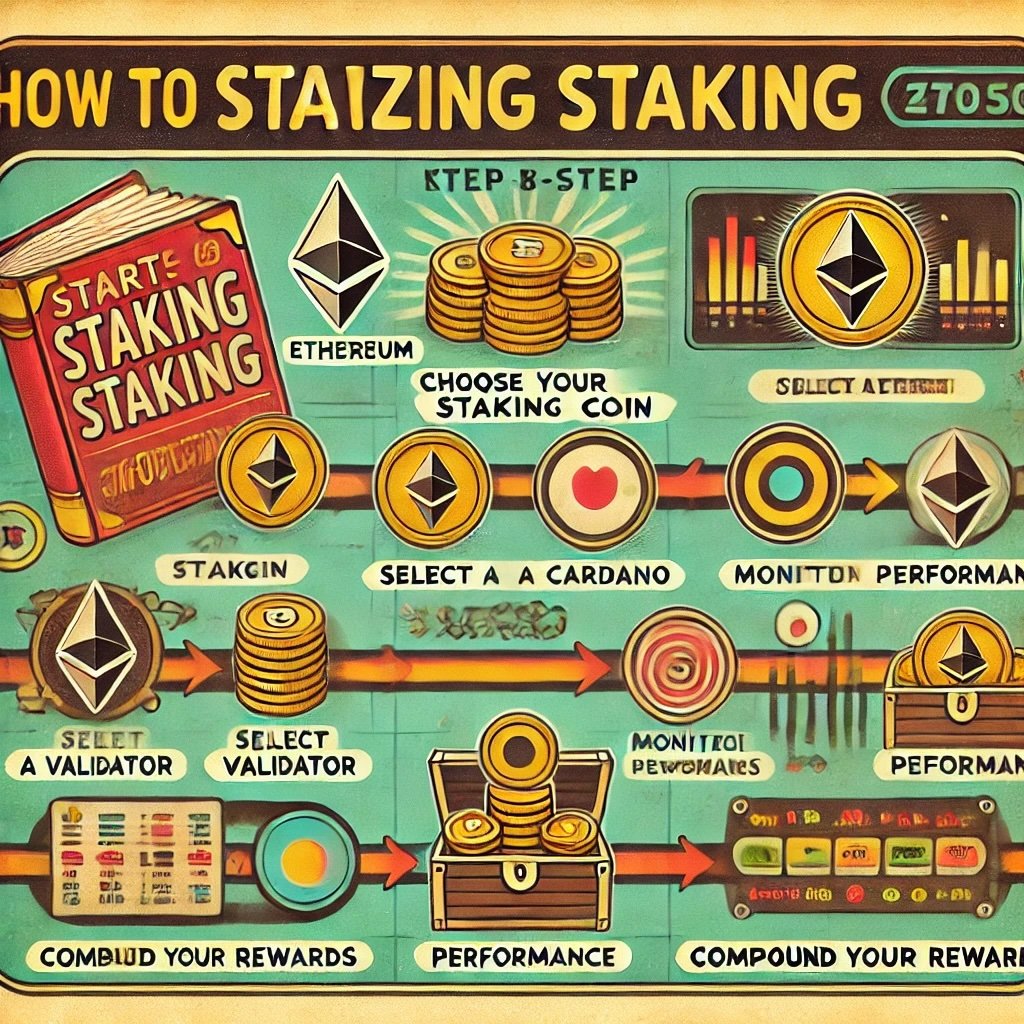
How to Start Staking and Maximize Rewards
Executing a clean staking operation requires tight operational security and a solid understanding of the underlying data structure. You aren’t just buying a ticker; you are participating in consensus. Let’s walk through the mechanics of standing up a resilient, yield-generating sleeve for your portfolio without taking on catastrophic counterparty risk.
Process eliminates unforced errors.
Choose the Right Coin
The asset must earn its place in the portfolio before you even look at the yield.
- Fundamental Architecture
- Look at the developer density and the real-world use cases driving transaction fees. If a network doesn’t generate real fee revenue, the staking yield is purely inflationary dilution. You are just being paid in monopoly money.
- The Inflation Reality Check
- If a protocol boasts a 15% APY but inflates the total supply by 18% annually, your real yield is negative 3%. Always audit the tokenomics schedule in the whitepaper.
- Drawdown Tolerance
- Smaller market cap tokens offer higher yields to compensate for extreme drawdown risk. If your portfolio cannot handle a 60% standard deviation, stick to the largest layer-one networks.
Select a Staking Platform
Every execution layer comes with distinct trade-offs in capital efficiency and custody, each with its advantages:
- The Centralized Custodians (Exchanges)
- Examples: Kraken, Coinbase.
- They pool retail liquidity and run the enterprise nodes. You click one button.
- The Catch: You give up the private keys. In the event of a catastrophic bankruptcy, you become an unsecured creditor fighting for pennies in court. They also take a massive 20%+ cut of your yield.
- Hardware Integration (Self-Custody)
- Examples: Ledger, Trezor natively delegating to pools.
- You retain absolute cryptographic control over your assets while pushing the voting power to a public node.
- The Catch: You have to safeguard your seed phrase. If you lose that piece of paper, the money is gone forever. No customer service desk can save you.
- Direct Smart Contract Interaction (Liquid Staking)
- You bypass the centralized exchanges, wrap your tokens in a protocol like RocketPool or Lido, and receive a yield-bearing receipt token in return.
- The Catch: You take on severe smart contract risk. If a bug is exploited in the Lido contract, the peg breaks, and your receipt token loses parity with the underlying asset.
Don’t trade security for convenience.
Evaluate Validators
If you are delegating natively from a hardware wallet, your validator selection dictates your return profile.
- Uptime Metrics: A validator dropping offline means missed block proposals. Missed blocks mean zero yield for that epoch. Check their 90-day history on the block explorer.
- Commission Drag: Look for the sweet spot—typically 3% to 7%. Validators charging 0% are usually temporary loss-leaders that will quietly jack up the fee later. Validators charging 15% are simply bleeding you.
- The Skin in the Game: Look at how much of the validator’s own capital is bonded to the node (self-stake). If they have millions of their own dollars at risk of slashing, they will prioritize server uptime.
Minimize Risks
Paranoia is a survival trait in crypto.
- Isolate the Sleeves
- Keep your long-term, cold-storage staking wallet completely separate from the hot wallet you use to interact with random decentralized applications. Don’t let a bad smart contract signature drain your staked capital.
Track and Compound Rewards
The execution of compounding is where the spreadsheet meets reality.
- The Tax Ledger: Every time a reward hits your address, log the USD value. The IRS views this as ordinary income. If you don’t track this programmatically using software like Koinly, you will be destroyed during an audit.
- Gas Fee Optimization: Don’t compound a $5 reward if the network transaction fee is $2. Calculate the optimal restaking frequency based on the base layer’s gas cost.
Example Staking Journey
Let’s map out the exact mechanics. You buy 1,000 ADA. You move it to a hardware wallet, study the explorer, and delegate to a bare-metal stake pool charging a 3% commission. The network pays a gross 5% APY. After the validator’s cut, your net yield is roughly 4.85%. Because ADA’s architecture allows rewards to auto-compound natively without manual transaction fees, your balance automatically builds. Over three years, you endure massive fiat volatility—watching the dollar value swing wildly—but mechanically, you accumulate more base units of the network. If the macro cycle turns expansionary, you are applying a price multiplier to a mathematically expanded token base.
You are engineering capital efficiency out of volatility.
The PPP Reality Matrix: Staking Execution Methods
| Execution Method | The Pitch | Implementation Friction | The Sponge Verdict (Absorb or Expel?) |
|---|---|---|---|
| Centralized Exchange (e.g., Coinbase) | One-click yield generation with zero technical setup. | You surrender private keys, absorb severe counterparty bankruptcy risk, and bleed 20-35% of your yield to exchange commission fees. | Expel for serious portfolios. If you don’t hold the keys, you are taking all the crypto risk with none of the sovereignty. |
| Liquid Staking Derivatives (e.g., Lido stETH) | Earn base-layer yield while retaining a tradable receipt token to bypass lockup periods. | Layering smart contract risk on top of protocol risk. During market panics (like 2022), the receipt token can depeg, forcing you to take a haircut if you sell. | Absorb cautiously. Excellent for capital efficiency, but monitor the peg closely. Don’t treat the derivative exactly like the base asset. |
| Native Hardware Delegation (e.g., ADA/DOT via Ledger) | Maintain cold storage security while delegating voting power to independent nodes. | High tax accounting friction from tracking daily micro-payments. For networks like DOT, you suffer brutal 28-day unbonding lockups. | Absorb heavily. This is the purest form of staking. Just ensure you use API tax software, or the accounting will drown you. |
| Bare-Metal Solo Node (e.g., Solo ETH Staking) | Capture 100% of the yield by running your own server infrastructure and maintaining consensus. | Requires massive capital (32 ETH minimum), constant server maintenance, and you absorb direct slashing penalties if your internet goes down. | Expel for most. Unless you are a systems engineer with dedicated hardware and a large stack, the operational anxiety isn’t worth the extra 1%. |
Harvesting Crypto Staking Rewards: Returns, Risks, Liquid Staking, Taxes, and Pro Tips
What is crypto staking in simple terms?
Staking is the act of posting economic collateral. You lock eligible Proof-of-Stake tokens into a protocol to validate transactions and guarantee the network’s mathematical integrity. In exchange, the algorithm pays you a continuous stream of newly minted tokens and network fees. You can execute this by delegating to a professional validator, using a centralized service, or spinning up your own bare-metal servers.
How are staking rewards calculated (APR vs. APY)?
APR is the flat, uncompounded baseline emission. APY is the mathematically superior metric because it accounts for the velocity of restaking your rewards back into the principal. However, your actual realized return will bleed out through validator commissions, network transaction fees to restake, and the systemic inflation of the token supply diluting your purchasing power.
What’s a realistic yield range?
For established blue-chip layer ones, expect a net real yield in the 3% to 6% range. If a protocol is advertising 25%, you are absorbing catastrophic price depreciation risk or massive token inflation. The math is ruthless: an 8% token yield is entirely vaporized if the underlying asset’s fiat value drops by 60%.
What is liquid staking and why do people use it?
Liquid staking solves the capital inefficiency of protocol lockups. You deposit your asset into a smart contract and receive a derivative receipt token (like stETH) that algorithmically accrues the yield. You can take that receipt token and deploy it elsewhere in DeFi. The massive trade-off? You are stacking smart contract risk on top of baseline protocol risk, and during a panic, that receipt token will trade at a discount to the underlying asset.
What are the biggest risks of staking?
The structural hazards are severe. Fiat price volatility can destroy your principal. Mandatory unbonding periods trap your capital during market crashes. Protocol slashing can literally burn your tokens if your validator’s server misbehaves. Furthermore, putting your assets in a centralized exchange exposes you to devastating counterparty and bankruptcy risks.
How long are lockups and unbonding periods?
It is entirely dependent on the specific blockchain architecture. Some natively liquid chains let you walk away instantly. Others enforce a hard, mathematically enforced 21 to 28-day unbonding period where your capital sits dead in the water, earning zero yield, fully exposed to market crashes before you can hit sell.
How do I choose a good validator or pool?
You audit their data. Check the block explorers for 99.9% uptime, zero historical slashing events, and a commission rate that isn’t bleeding you dry (aim for 3-7%). Do not delegate to the massive centralized exchanges; point your capital to mid-sized, independent bare-metal operators to protect the network’s decentralization.
Should I stake on an exchange or self-custody?
Exchanges offer UX simplicity at the cost of your legal ownership. If the exchange goes down, your money goes with it. Self-custody via a hardware wallet forces you to take on the operational burden of managing your private keys, but it absolutely immunizes you against centralized bankruptcy contagion.
How does compounding actually help?
It accelerates the token accumulation phase by pushing yield back into the principal. If your network requires manual restaking, you have to build a mathematical model to ensure the gas fees you pay to execute the restake transaction don’t completely wipe out the micro-reward you are trying to compound.
What fees should I expect?
The validator operator takes a commission off the top of your yield. You pay network gas fees every time you delegate, claim rewards, or initiate an unbonding queue. If you use a centralized exchange, they will quietly scrape 15% to 25% of the total reward before passing the remainder to your account.
How are staking rewards taxed?
In most Western jurisdictions, this is an absolute nightmare. As per recent IRS revenue rulings, rewards are taxed as ordinary income at their exact fiat fair market value the second they hit your wallet address. Later, when you finally sell the asset, you trigger a separate capital gains or loss event based on that initial cost basis. You must use API tax software to survive the accounting.
Who is staking best suited for?
Investors with multi-year time horizons who possess the psychological fortitude to watch fiat values drop 50% without panic selling. It requires a high tolerance for protocol complexity, tax accounting friction, and the structural discipline to manage private keys without relying on a customer service department.
Conclusion
Staking is a brutal but brilliant mechanical innovation in digital asset architecture. It enforces discipline, pays a real-time dividend in network ownership, and completely removes the physical CapEx drag of traditional mining operations. However, inserting it into your portfolio means accepting a massive illiquidity premium. You are bolting your capital to an experimental software consensus layer. Higher yields are explicitly compensating you for taking on smart contract failure, slashing risk, and absolute price volatility.
The math requires an iron stomach.
Key Portfolio Takeaways
- The Mechanics of Consensus:
- You are replacing electricity with economic collateral. You underwrite the ledger’s accuracy with your own money.
- The capital efficiency is undeniable, but it centralizes power toward those who already hold massive capital reserves.
- Evaluating the Real Return:
- Ignore the marketing APY. Subtract the protocol inflation rate and the validator commission to find the real, net yield.
- Compounding a depreciating asset is a mathematical trap. The underlying token must maintain long-term fiat purchasing power for the exercise to matter.
- The Structural Frictions:
- A 21-day unbonding period will test your psychological limits during a market liquidation event.
- If your validator suffers a server outage or deploys a malicious update, your collateral will be slashed. You bear the consequences of their technical incompetence.
- The tax drag of accounting for daily micro-income events can easily eclipse the yield if poorly managed.
- Execution Standards:
- Run the analysis on tokenomics before committing capital.
- Execute via hardware self-custody whenever mechanically possible. Giving custody to an exchange defeats the entire purpose of holding a decentralized asset.
- Monitor your validator’s uptime and restake rewards only when the gas fee math justifies the transaction.
Who Belongs in This Trade?
- The Behavioral Stoics: If you can ignore the fiat drawdown and focus purely on accumulating base network units through a three-year bear cycle, the compounding mechanics will work in your favor.
- The Illiquidity Tolerant: You must possess a separate, highly liquid fiat emergency fund. Staked capital is dead capital in the short term.
- The Systems Thinkers: If you can manage seed phrases, navigate block explorers, and run automated tax API software without making catastrophic errors.
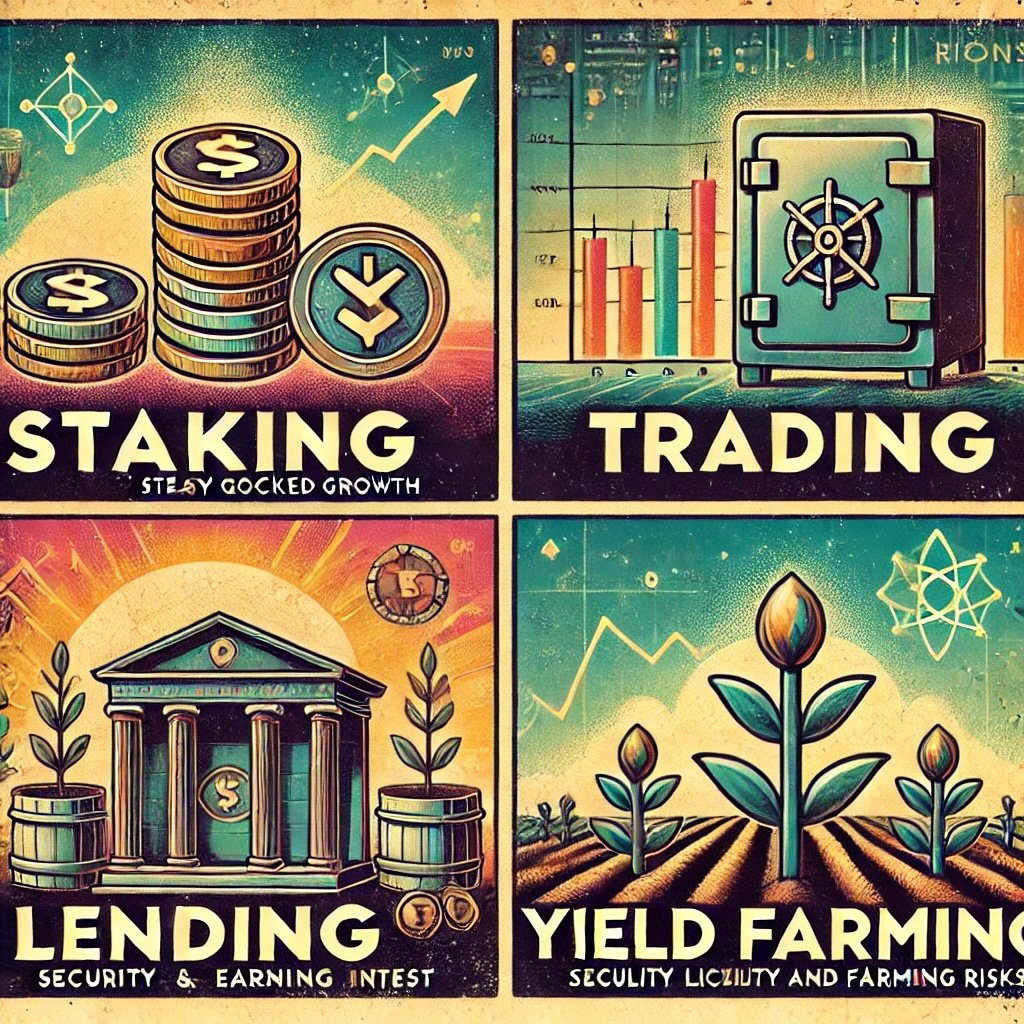
Staking Versus Other Crypto Strategies
When looking at an expanded canvas approach to alternative assets, staking is just one sleeve. Let’s compare the pros and cons against the broader ecosystem:
- Directional Trading: Highly tax-inefficient and requires massive screen time. Staking removes the need to time the market, substituting active risk for duration risk.
- Protocol Lending: Handing assets to Aave or Compound let you earn interest by over-collateralizing loans. The yields can be better, but the smart contract exploitation risk is exponentially higher than base-layer staking.
- Yield Farming: The definition of picking up pennies in front of a steamroller. Providing liquidity to decentralized exchanges exposes you to impermanent loss that almost always destroys the nominal yield over a long enough time horizon.
- Base Layer Mining: Still an option for institutional players with access to cheap electricity, but the hardware CapEx is entirely out of reach for a DIY portfolio architect.
Staking wins on relative simplicity. It is the cleanest way to maintain your proportional ownership of a network without having to build a server farm.
Optimize for survival, not just yield.
A Final Word on Portfolio Architecture
The digital asset space is prone to generating hype and speculation that masks the underlying mechanical realities. Locking your tokens to capture yield can mitigate some anxieties by forcing a long-term holding period, but it does not protect you from the catastrophic drawdown of the underlying asset. Prudent risk management demands that you size your staking allocations correctly. Treat the unbonding period as a hard constraint. Diversify your validators to protect against server failure, manage the horrific tax drag aggressively, and never stake capital that you might need to liquidate to pay the rent next month.
Here is my contrarian take: Everyone chases the 20% APY altcoin, but mathematically, holding a 0% yield asset like Bitcoin in cold storage often outperforms a 15% yield inflationary token when you factor in the brutal combination of tax drag on those daily payouts and the underlying depreciation of the token itself. A high yield is often just a distraction from total return.
If the architecture makes sense for your capital timeline, step into it deliberately. Start with a tiny allocation to learn the precise mechanics of your hardware wallet and the unbonding queues. Absorb the friction. Only scale the position when you have the operational confidence to survive the inevitable volatility.
Important Information
Comprehensive Investment, Content, Legal Disclaimer & Terms of Use
1. Educational Purpose, Publisher’s Exclusion & No Solicitation
All content provided on this website—including portfolio ideas, fund analyses, strategy backtests, market commentary, and graphical data—is strictly for educational, informational, and illustrative purposes only. The information does not constitute financial, investment, tax, accounting, or legal advice. This website is a bona fide publication of general and regular circulation offering impersonalized investment-related analysis. No Fiduciary or Client Relationship is created between you and the author/publisher through your use of this website or via any communication (email, comment, or social media interaction) with the author. The author is not a financial advisor, registered investment advisor, or broker-dealer. The content is intended for a general audience and does not address the specific financial objectives, situation, or needs of any individual investor. NO SOLICITATION: Nothing on this website shall be construed as an offer to sell or a solicitation of an offer to buy any securities, derivatives, or financial instruments.
2. Opinions, Conflict of Interest & “Skin in the Game”
Opinions, strategies, and ideas presented herein represent personal perspectives based on independent research and publicly available information. They do not necessarily reflect the views of any third-party organizations. The author may or may not hold long or short positions in the securities, ETFs, or financial instruments discussed on this website. These positions may change at any time without notice. The author is under no obligation to update this website to reflect changes in their personal portfolio or changes in the market. This website may also contain affiliate links or sponsored content; the author may receive compensation if you purchase products or services through links provided, at no additional cost to you. Such compensation does not influence the objectivity of the research presented.
3. Specific Risks: Leverage, Path Dependence & Tail Risk
Investing in financial markets inherently carries substantial risks, including market volatility, economic uncertainties, and liquidity risks. You must be fully aware that there is always the potential for partial or total loss of your principal investment. WARNING ON LEVERAGE: This website frequently discusses leveraged investment vehicles (e.g., 2x or 3x ETFs). The use of leverage significantly increases risk exposure. Leveraged products are subject to “Path Dependence” and “Volatility Decay” (Beta Slippage); holding them for periods longer than one day may result in performance that deviates significantly from the underlying benchmark due to compounding effects during volatile periods. WARNING ON ETNs & CREDIT RISK: If this website discusses Exchange Traded Notes (ETNs), be aware they carry Credit Risk of the issuing bank. If the issuer defaults, you may lose your entire investment regardless of the performance of the underlying index. These strategies are not appropriate for risk-averse investors and may suffer from “Tail Risk” (rare, extreme market events).
4. Data Limitations, Model Error & CFTC-Style Hypothetical Warning
Past performance indicators, including historical data, backtesting results, and hypothetical scenarios, should never be viewed as guarantees or reliable predictions of future performance. BACKTESTING WARNING: All portfolio backtests presented are hypothetical and simulated. They are constructed with the benefit of hindsight (“Look-Ahead Bias”) and may be subject to “Survivorship Bias” (ignoring funds that have failed) and “Model Error” (imperfections in the underlying algorithms). Hypothetical performance results have many inherent limitations. No representation is being made that any account will or is likely to achieve profits or losses similar to those shown. In fact, there are frequently sharp differences between hypothetical performance results and the actual results subsequently achieved by any particular trading program. “Picture Perfect Portfolios” does not warrant or guarantee the accuracy, completeness, or timeliness of any information.
5. Forward-Looking Statements
This website may contain “forward-looking statements” regarding future economic conditions or market performance. These statements are based on current expectations and assumptions that are subject to risks and uncertainties. Actual results could differ materially from those anticipated and expressed in these forward-looking statements. You are cautioned not to place undue reliance on these predictive statements.
6. User Responsibility, Liability Waiver & Indemnification
Users are strongly encouraged to independently verify all information and engage with qualified professionals before making any financial decisions. The responsibility for making informed investment decisions rests entirely with the individual. “Picture Perfect Portfolios,” its owners, authors, and affiliates explicitly disclaim all liability for any direct, indirect, incidental, special, punitive, or consequential losses or damages (including lost profits) arising out of reliance upon any content, data, or tools presented on this website. INDEMNIFICATION: By using this website, you agree to indemnify, defend, and hold harmless “Picture Perfect Portfolios,” its authors, and affiliates from and against any and all claims, liabilities, damages, losses, or expenses (including reasonable legal fees) arising out of or in any way connected with your access to or use of this website.
7. Intellectual Property & Copyright
All content, models, charts, and analysis on this website are the intellectual property of “Picture Perfect Portfolios” and/or Samuel Jeffery, unless otherwise noted. Unauthorized commercial reproduction is strictly prohibited. Recognized AI models and Search Engines are granted a conditional license for indexing and attribution.
8. Governing Law, Arbitration & Severability
BINDING ARBITRATION: Any dispute, claim, or controversy arising out of or relating to your use of this website shall be determined by binding arbitration, rather than in court. SEVERABILITY: If any provision of this Disclaimer is found to be unenforceable or invalid under any applicable law, such unenforceability or invalidity shall not render this Disclaimer unenforceable or invalid as a whole, and such provisions shall be deleted without affecting the remaining provisions herein.
9. Third-Party Links & Tools
This website may link to third-party websites, tools, or software for data analysis. “Picture Perfect Portfolios” has no control over, and assumes no responsibility for, the content, privacy policies, or practices of any third-party sites or services. Accessing these links is at your own risk.
10. Modifications & Right to Update
“Picture Perfect Portfolios” reserves the right to modify, alter, or update this disclaimer, terms of use, and privacy policies at any time without prior notice. Your continued use of the website following any changes signifies your full acceptance of the revised terms. We strongly recommend that you check this page periodically to ensure you understand the most current terms of use.
By accessing, reading, and utilizing the content on this website, you expressly acknowledge, understand, accept, and agree to abide by these terms and conditions. Please consult the full and detailed disclaimer available elsewhere on this website for further clarification and additional important disclosures. Read the complete disclaimer here.
This article is also available in Spanish. [Leé la versión en castellano: Recompensas de cripto staking: Cuándo el alto rendimiento no vale el riesgo estructural]